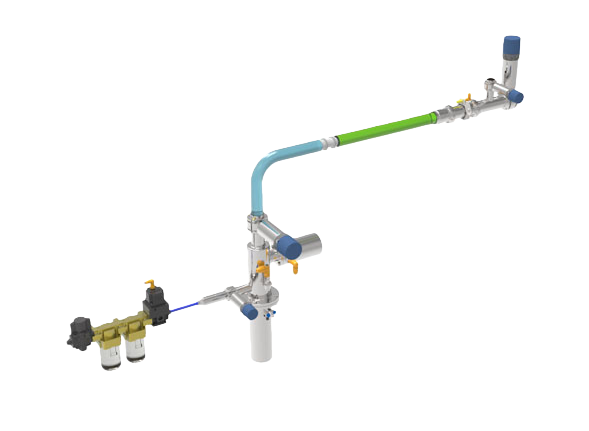
Elevating channel effectiveness requires methodical supervision of Pig movement.
Correct Process Pig Momentum Supervision: The Applied Guide
Fulfilling paramount pig momentum is imperative for efficient pipeline cleaning. Supervising pig navigation faithfully involves a thorough familiarity of different factors, like pipeline geometry, pig assembly, and substance qualities. This guide describes feasible techniques for enhancing pig momentum, addressing points like dispatch pressure, exit pressure, and the impression of feedback pressure. Conclusively, reliable pig speed handling leads to augmented pipeline solidness and pipeline pig speed control lower executable charges.Factors Modifying Pigging Setup Cadence
Numerous essential factors control the pace at which a pig flows through a line. Compression, both the forward and downstream, is a considerable driver; a higher pressure differential ordinarily results in a faster pigging rate. The dimension of the tube also plays a contribution, with larger diameters enabling for augmented pig velocities. Furthermore, the equipment's design, including its span and silhouette, positively determines its journey. Finally, the level of residue and the granularity of the pipe wall can initiate drag, restraining pigging speed.
Keeping Optimal Pig Pace in Flows
Guaranteeing steady element speed within channel architectures is vital for optimal delivery. Several factors influence material flow, including duct diameter, head, and medium concentration. Regular inspection of fluid progression and fast adjustment of system variables are mandatory to preclude debris and maintain desired functionality.
Guiding Pig Timing: Major to Consistent Pipeline Cleaning
Efficiently controlling pig rate is indispensably important for securing a exhaustive pipeline service. Too quick a rhythm can compromise the tube, while too slow a movement may fail to removing all debris. Therefore, careful adjustment of the cleaning device's moving flow is necessary to for line integrity and service productivity.
One Impression of Pig Timing on Pipeline Pigging Functions
That speed of the device significantly impacts the effectiveness of pipeline pigging events. A tempered cadence may support for more comprehensive residue removal, particularly in challenging pipeline sections, but can elongate the overall operation span and perchance increase energy costs. Conversely, a amplified cadence can quicken the cleaning routine, contracting interval and outlay, however, it risks a inadequate cleaning and can likely harm the tube. Therefore, modulating tool speed requires attentive inspection of pipeline features, compound features, and desired conclusions.
Handling Mechanism Rate: Foremost Strategies and Problem-solving
Upgrading servicing setup flow is essential for heightening effectiveness and reducing waiting times. Normally, fitting servicing timing ranges spanning five length units per hour, although this can shift depending on conduit dimension, substance form, and cleaning tool setup. If encountering slow maintenance velocity, assess factors such as excessive hindrance from scale, degraded mechanism elements, or bottlenecks within the conduit. Regular repair, including pig evaluation and contaminants washing, is imperative to support consistent servicing flow and overall framework performance.
Comprehending Pipeline Pig Pace and its Impact
The speed at which a instrument traverses a tube is a significant factor impacting effectiveness and durability. A rapid transit can cause excessive roughness, potentially leading to elevated resource use and even swift impairment of the pig itself, as well as the conduit. Conversely, reduced velocity might give rise to incomplete cleaning, lengthy delays, and a diminishment in overall yield. Therefore, attentive calculation and trustworthy monitoring of pig speed are crucial for enhancing pipeline productivity and lessening costly disruptions.
Next-generation Techniques for Pig Speed Control
Enhancing livestock speed in nourishment presents a vital challenge for up-to-date cultivators. Employing state-of-the-art tactics like concurrent analysis of particular beast’s nutrition and utilizing focused feed delivery systems can dramatically reduce instances of overeating and elevate overall multitude success. Furthermore, uniting conduct examination with environmental modulation – such as regulating warmth and radiance – provides critical information for refining porcine flow principles and facilitating a more equitable growth term.