Clay model expresses a impressive field type with a vast legacy, reaching back innumerable of times. From ancient receptacles to up-to-date presentations, the substance offers exceptional possibilities for creative expression. Craftsmen practice assorted techniques – including coiling, wheel turning, and developed firing processes – to craft humble clay into evocative three-dimensional objects. The sturdiness of fired brick also contributes to its status as a truly lasting part of human history.
Delving into Porcelain Sign Compositions and Techniques
The field of ceramic marker design offers a extensive array of inventive possibilities. Crafters often engage a variety of traditional and contemporary techniques to produce visually beautiful pieces. These can cover from simple, engraved reliefs to complex, multi-layered designs. Widely practiced methods include template molding, hand building, glazing – which can involve several approaches like base glaze illustration, decoration on top of the glaze, and scratched design where designs are uncovered by removing a layer of coating. Further scrutiny into finishing techniques such as raku firing and lustreware can lead to truly uncommon and exclusive porcelain markers.
- The slip cast process - Forming pieces using a mold
- Manual Crafting - Delicately building the loam
- Coating - Covering the surface with a smooth finish
- Etched illustration - Disclosing designs by removing surfaces
Entrancing Experiences: Porcelain Art Expositions
The advancing landscape of expression presents exciting new avenues for witnesses, and ceramic art installations are at the front line of this trend. These aren't just static statues; they are fashioned to envelop the observer in a sensory space. Imagine navigating within a forest of towering, fired ceramic trees, or navigating a mesh of exquisite ceramic vessels. Many creators are now incorporating noises, lighting, and even smell to enhance the mood of their work. Think about the power of a room filled with hundreds of thoughtfully ceramic works, each telling a anecdote. Usually, such installations explore themes of wilderness, recollection, and personhood.
- Such installations blur the thresholds between work and venue.
- Observing a ceramic art installation can be a deeply transformative journey.
- Makers are transporting the constraints of what is accomplishable with clay.
That Radiance of the Earthenware Receptacle: Purpose and Outline
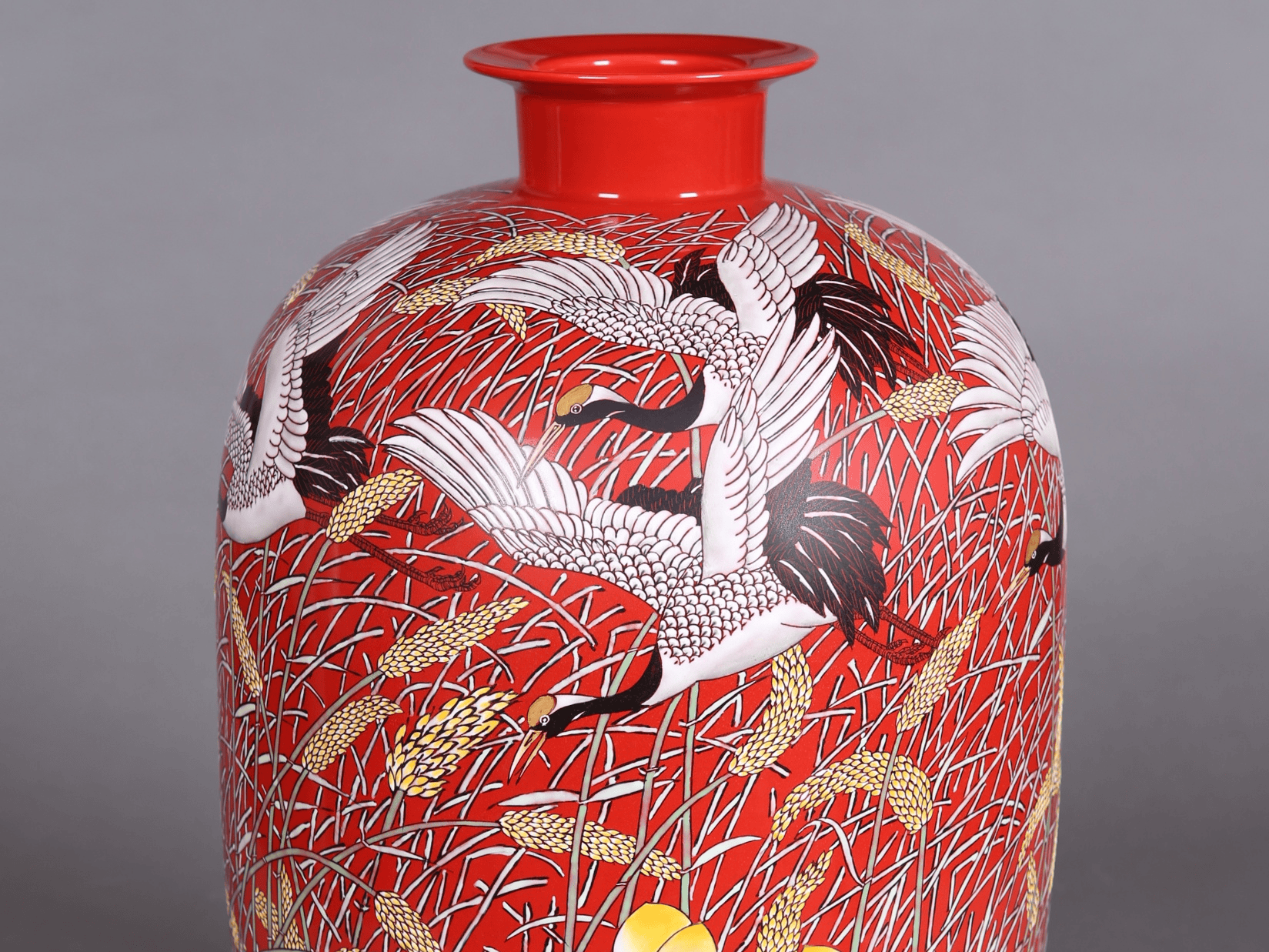
The ceramic jar represents a distinctive fusion of applicability and aesthetic appeal. Historically, these urns served a elementary task in maintaining flowers, but their transformation has transformed them into highly valued works of handiwork. Each piece showcases the proficiency of the creator, demonstrating how form can be as essential as operation. The careful shaping, the exceptional glazes, and the holistic presence of a well-made container can lift a space, offering both magnificence and a quiet reminder of the manual hand.
Latest Brick Art : Expanding Thresholds
Recent ceramic art represents a fascinating change from customary practices. Sculptors are enthusiastically experimenting with different processes, dissolving the frontiers between design and different artistic mediums. From expansive installations to fine miniature pieces, aforementioned works study themes of heritage while in unison recasting the basic of what brick can demonstrate. The upshot is a forceful landscape of creative expression.
Ceramic Plaque: Preserving History in Clay
Brick plaques offer a singular method for noting significant events and souls. Opposite of traditional metal or stone markers, these hardwearing pieces of mastery are formed from heated clay, creating a actual link to the history. Regularly, they depict intricate carvings or hand-painted imagery, revealing stories that might otherwise be disremembered. A technique, linked to ancient peoples, provides a visually appealing and permanent way to respect ceramic plaque our collective chronicle.
- The aforementioned can be disposed in general spaces.
- Various are now regarded historical artifacts.
Brick Art Arrangements: Changing Areas
Brick art installations are surfacing a influential medium for creators to reconstruct public and private areas. These immersive designs frequently involve considerable clay figures that surround viewers, redirecting their appreciation of the designed environment. By infusing diverse ways like slab forming and comprehensive firing systems, ceramic artists produce truly extraordinary experiences, softening the boundaries between craft and space. The impact is often a impactful evolution that uplifts the expressive quality of the site and fosters interaction.
From Spindle to Marvel: The Method of the Ceramic Jar
The journey of a ceramic jar from a simple lump of clay to a polished work of production is a testament to human inventiveness. Classicall, the process commences with the potter’s rotary device, where the experienced artisan carves the rotating soil into a cylindrical design. This early part demands precision and a sharp eye, followed by a delicate strengthening period. Once partially baked, the jar is ready for detail work, which may feature coating intricate elements, etching detailed depictions, or executing a assortment of varnishes. The closing firing process then changes the creation into a durable and eye-catching pot, a tangible manifestation of the artist's passion.
Pottery with Ceramic Material: A Handbook to Porcelain Art
Exploring the domain of stoneware composition begins with recognizing the fundamentals of modeling with stoneware. The aforementioned approach involves thoughtfully layering and taking away components to make three-dimensional models. If you're a starter or a master artist, playing with various sorts of ceramic material – for example terracotta – will aid you detect your personal technique. Conclusively, stoneware carving is a fruitful process that fuses professional proficiency with original communication.