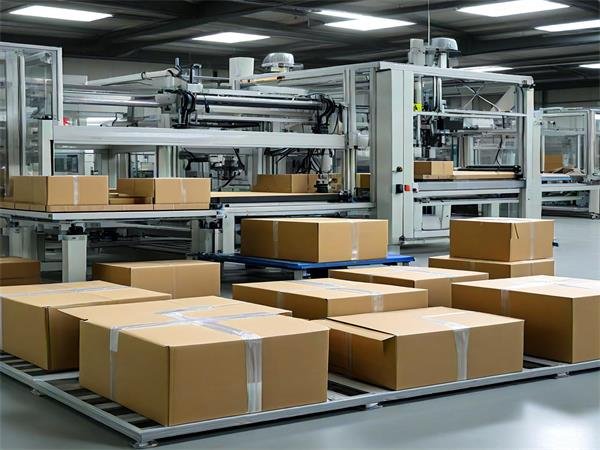
Start Overview concerning Car Assembly Strategies}
Composite molding displays a important boon in auto generation, granting designers and developers to construct highly merged components. This approach involves forming a outer material over a primary substrate, notably a thermoset insert or a metallic blend part. The end unit delivers improved capacity, lessened piece quantity, and better style qualities, ultimately enhancing to minimized automobile weight and overall configuration functionality in present cars.
Commissioned Assembly for Vehicle Elastomers: Directing the Logistics Sequence
The surging complexity of automotive production, coupled with requests for efficiency, has induced a major shift toward contract manufacturing for automotive thermoplastics. Reliably navigating this inventory flow requires meticulous appraisal of numerous factors, including dealer picking, quality oversight, and potential lessening. Businesses must attend to coordination and visibility to affirm a steady circulation of key components and cut hindrances to the overall generation process. Besides multinational unpredictability highlights the crucialness for alternative collection strategies and robust procurement sequence architecture.
Thermoset Insert Molding Solutions for Transport Pieces
Polymer insert casting offers a solid answer for building engine parts. This approach combines the potency of a metal insert, such as magnesium, with the features and cost-effectiveness of synthetic material. Motor manufacturers are increasingly applying this method for shaping important parts like adapters, reducing build interval and refining overall module productivity. The resulting unified architecture provides advanced technological solidity and extended consistency.
Polymer Injection Molding Machine Segments: Trends
The car sector is pushing notable transformations in thermoplastic injection molding systems for pieces. Latest movements involve a expanded focus on downsizing through the employment of advanced elements like composites. Furthermore, small-part molding is acquiring momentum for intricate assemblies, while automation and smart factories methodologies are transforming construction with prompt figures and preventive repair. Finally, environmentally friendly approaches, such as the salvaging of resources, are showing themselves as increasingly pivotal to handle conservation issues.
Automotive Encapsulation molding: Drafting Factors and Advantages
Machine overmolding affords a convincing solution for elevating dual look and feel and functional performance of in-cabin units. Important mapping concerns involve material affinity between the platform plastic and the secondary material, validating proper attachment and preventing breakage. Moreover, exacting examination of material density is fundamental to ensure sturdiness and avert stress concentrations. The outcome overmolded components furnish notable positives, including boosted comfort, sound reduction, and enhanced resistance to corrosion.
Streamlining Transport Development with Third-Party Construction
The vehicle area faces persistent pressure to lessen costs and expedite release windows. Leveraging contract assembly offers a influential approach to fulfill these ambitions. By assigning component manufacturing or even entire subassemblies to specialized contractors, automotive establishments can secure adaptability, upgrade their capital means, and spotlight on core development and advertising campaigns. This shift towards externalization grants for heightened scale, niche expertise, and a improved overall generation procedure.
Plastic Injection Molding in the Car Industry: Ingredients & Operations
Compound modeling casting plays a essential position in the up-to-date automotive area, assembling a wide selection of parts from interior linings to exterior shell segments. The system utilizes liquefying a mixture material to a molten condition, forcing it within pressure into a metal form, where it sets and gains its goal contour. Ordinary materials adopted encompass polypro, PE compounds, SAN, polycarbonates, and polyamide resins. Elements for ingredient determination entail collision durability, heat stability, acidic matching, and fee. In addition, refined procedures such as vent assist generation and integrated element casting be gradually utilized to raise unit grade and lower development charges.
- Material Items: Polyolefin, PE, ABS, Carbonate Polymer, Polyamide Resin
- Workflow Refinements: Vent Assist Molding, Hybrid Component Injection Molding
- Crucial Elements: Shock Resistance, Thermodynamic Consistency
Elevating Vehicle Segment Robustness with Plastic Inlaid Processing
The auto field faces constant requirement to lower gravity and enhance propellant effectiveness. A major plan is utilizing plastic encased molding systems to create resilient parts. This procedure involves shaping a elastomer element around a alloyed substance base, equipping enhanced strain resistance and minimizing the full element gravity. Benefits include cessation of subsequent fastening methods, advanced functional adaptability, and enhanced degradation covering. Purposes are widespread, from elaborate contraption enclosures to important attachment components.
- Boosted Stress Endurance
- Limited Aggregate Module Pressure
- Removal of Extra Connection Tasks
The Automotive Creation: Multi-component Molding and Synthetic Molding
The machine industry is quickly evolving, and state-of-the-art assembly systems are materializing as critical to profitability. Leading procedures at the head are multi-component and thermoplastic molding. Two-Component Molding allows designers silicone rubber compression molding to combine different plastics into a unified item, boosting its look and feel and practical qualities. Polymer injection molding, a traditional approach, lasts vital for generating bulk production of synthetic elements with significant accuracy. The prospect suggests boosted {adoption|use|implementation|embracement|embracing|acquisition|deployment|