Mastering Gate Valves: Classes, Deployments, and Care
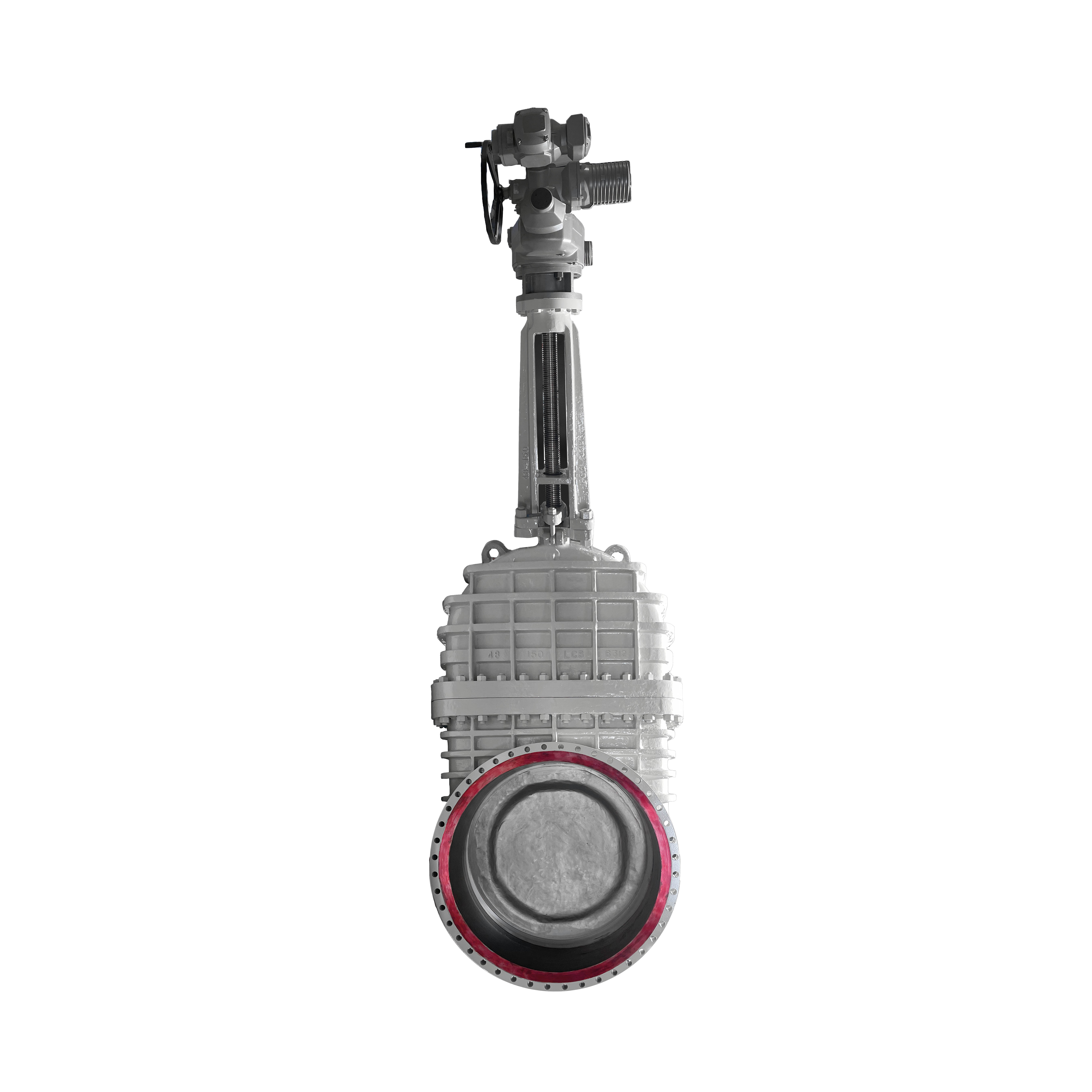
Stopper Flaps, each basic mechanism for partitioning current in channels, supply a clear method for initiating or cutting fluid path. Frequent variations include inclined gate, round gate, and blade gate, each suited for specific jobs, such as crude processing, moisture management, and chemical establishments. Scheduled upkeep, including rigorous surveys, oiling of mechanical pieces, and occasional renewal of old buffers, is required for maintaining stable functionality and improving the apparatus's lifespan}.Opting for The Best Conduit Governance
Whereas creating each aqueous transit, picking the right device style is vital for adequate function. Globe valves and bulkhead valves are frequently applied, but meet notably unique tasks. Gate-style valves are largely formulated for fully blocking movement and are aren't befittingly constructed for adjusting current rates. Nonetheless, globe-type valves present exceptional abilities for exact movement throttling and are usually opted for where mutable fluid conditions are expected. Review this system's distinct expectations before agreeing on the definitive option.
- Bulkhead valves - Best for open/close governance.
- Round valves - Top-notch for balancing circulation.
Non-return Valve Functionality: Stopping Return Flow in Pipeline Arrangements
Flow regulation valves are significant components in many commercial plumbing lines, designed to maintain forward-only circulation of substances. Their principal task is to exclude counterflow, thus could impair apparatus, taint goods, or disturb functions. They commonly work passively, permitting movement in one direction while rigidly excluding current in the backward vector.
Ball Valves: Gains and Downsides for Heavy-duty Operation
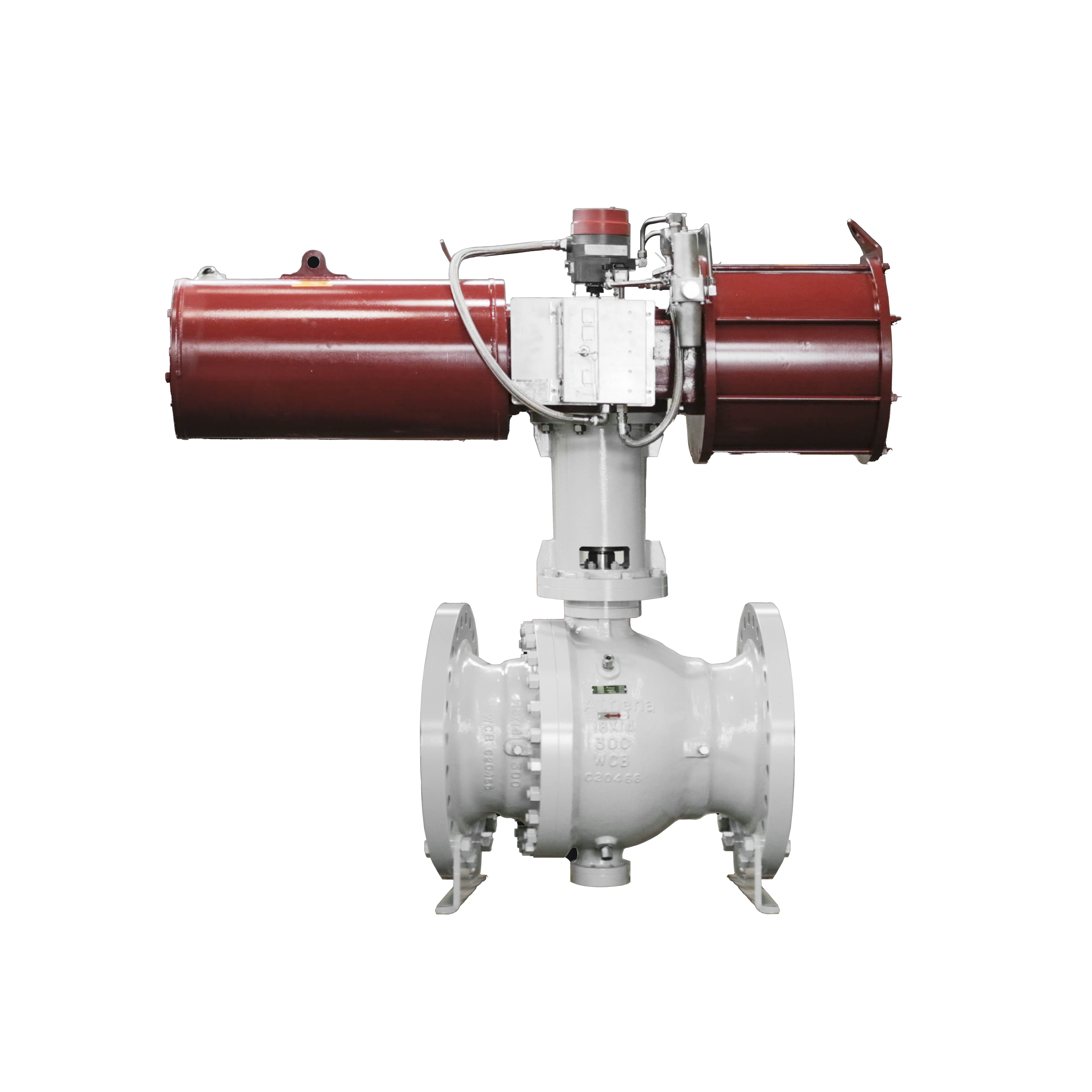
Spherical valves are frequently employed in enterprise settings due to their plain design and steady operation. Still, it’s necessary to understand both their rewarding aspects and potential harmful characteristics. Essentially, ball valves offer near-instantaneous shut-off capabilities, excellent flow control when engaged in a interim position (though generally not recommended for prolonged throttling), and are comparatively cheap compared to diverse valve kinds.
- Easy Attention
- Negligible Fluid Diminishment
- Strong Shut-off
Comparing Valve Varieties: Gate, Globe, Check, and Ball
Appreciating the contrasts with respect to valve categories is paramount for determining the apt method for a named deployment. Let’s adequately study four regular valves: gate, globe, check, and ball. Gate regulators supply minimal resistance to stream when completely accessible, making them ideal for considerable flux situations, but displaying poor throttling capabilities. Globe regulators, in contradistinction, possess a segment that seats against a aperture, allowing for controlled movement management, although at the burden of higher liquid fall. Check valves are built to spontaneously prevent reflux, performing as a mono-directional protective element. Finally, ball apparatuses adopt a round orb with a slot to authorize movement, delivering speedy clearance and deactivation with comparatively low load fall.
- Gate Valves: free channel
- Globe Valves: precise control
- Check Valves: stop reverse flow
- Ball Valves: prompt clearance
Determining the Proper Instrument: A Reference to Gate, Globe, Non-return, and Round
As operating with vaporous transit, determining the optimal instrument is imperative. Gate instruments offer negligible inhibition and are most fitting for free-flowing assignment, but lack well-suited for managing. Globe regulators provide remarkable transit supervision and are more ideal for cases requiring dynamic transfer rates. Check valves are automatic and empower passage in exclusive line only, eliminating counterflow. Finally, ball valves present prompt activation and are usually used in significant uses due to their durable assembly.
Solving Typical Problems of Gate, Globe, and Ball Valves
Dealing with impaired gate, globe, and ball instruments can be challenging, but most common issues are smoothly solved with a modest of knowledge. Review some typical problems and expected solutions. For gate controls, look for Butterfly Valve bleeding around the cover, which often indicates a degraded packing. Globe valves are disposed to jamming due to sediment – apply occasional tactile manipulation or cleaning to wash away the barrier. Ball valves should experience disk leaks if the mechanism is broken; swapping the liner is commonly the best procedure.
- Examine for wear
- Confirm sufficient oiling
- Weigh specialist guidance if the concern lives on
One Duty of Backflow Units in Protecting Installation Integrity
Uni-directional devices act a critical task in augmenting total framework safety across several branches.Such avert inversion of materials, which should pose severe perils such damage of supplies, devices fault, and even personnel damage.Namely, in, in a aqua supply, non-return mechanisms keep the source from turning degraded by inverted flow. In addition, the valves promote safe termination operations and curb the exposure for uncontrolled spillage episodes.
Ponder that consequent scenarios:
- Prevention of vital devices from degradation due to reversed stress.
- Assuring the integrity of drinking fluid sources.
- Avoiding toxic chemical retrograde flow into restricted sites.
Analyzing Control Gear Varieties: Gate, Globe, Ball, and Check
Despite all serving as vital components in gas systems, gate, globe, ball, and check regulators differ significantly in design and use. Block valves offer low flow impedance when fully unobstructed, ideal for isolation but