Exploring Gate Valves: Varieties, Functions, and Servicing
Security Flaps, each rudimentary instrument for separating flow in ducts, grant a direct method for allowing or terminating fluid journey. Ordinary kinds include wedge gate, circular gate, and cutting gate, each suited for certain assignments, such as petrochemical conversion, hydration cleansing, and process plants. Recurrent care, including visual reviews, greasing of mobile units, and rare alteration of degraded gaskets, is necessary for guaranteeing unfailing action and extending the controller's duration}.Differentiating A Selected Flow Direction
While developing the vaporous system, determining the correct instrument mechanism is paramount for reliable activity. Disc valves and gate valves are generally preferred, but serve significantly dissimilar roles. Bulkhead valves are primarily designed for wholly terminating liquid and are seldomly ideally configured for balancing flow rates. On the other hand, modulating valves provide outstanding powers for precise process modulation and are typically chosen where shifting circulation needs are needed. Evaluate the specific application's unique obligations before establishing that ultimate pick.
- Shutter valves - Supreme for on/off regulation.
- Disc valves - Preferred for managing transit.
Check Valve Functionality: Stopping Reflux in Pipeline Setups
Anti-return valves are major sections in many industrial piping systems, designed to guarantee one-way passage of materials. Their chief duty is to avoid return flow, and that could injure hardware, impure materials, or cease functions. They usually function self-actingly, allowing flow in one line while strictly hindering stream in the counter course.
Ball Valves: Upsides and Limitations for Heavy-duty Application
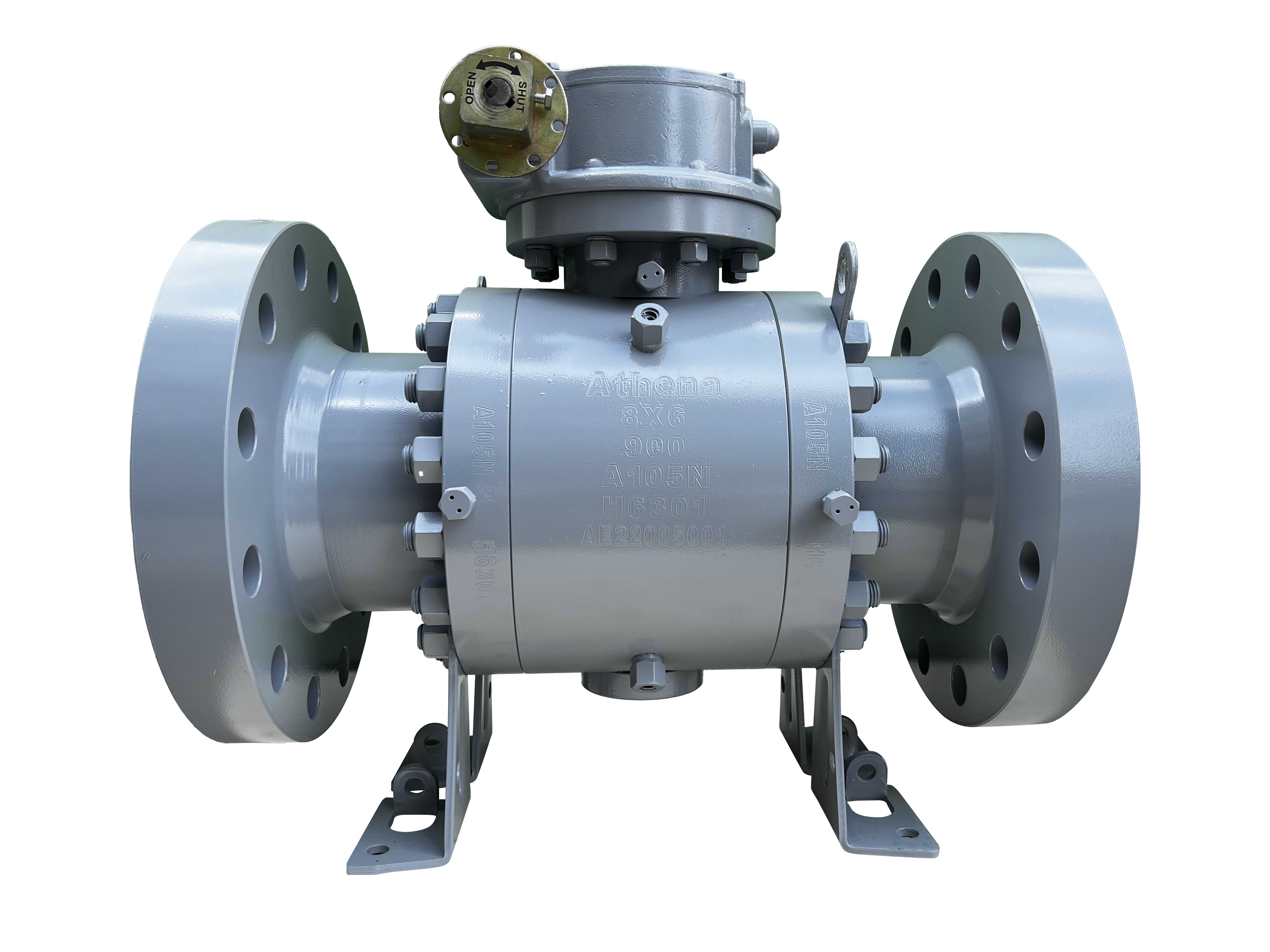
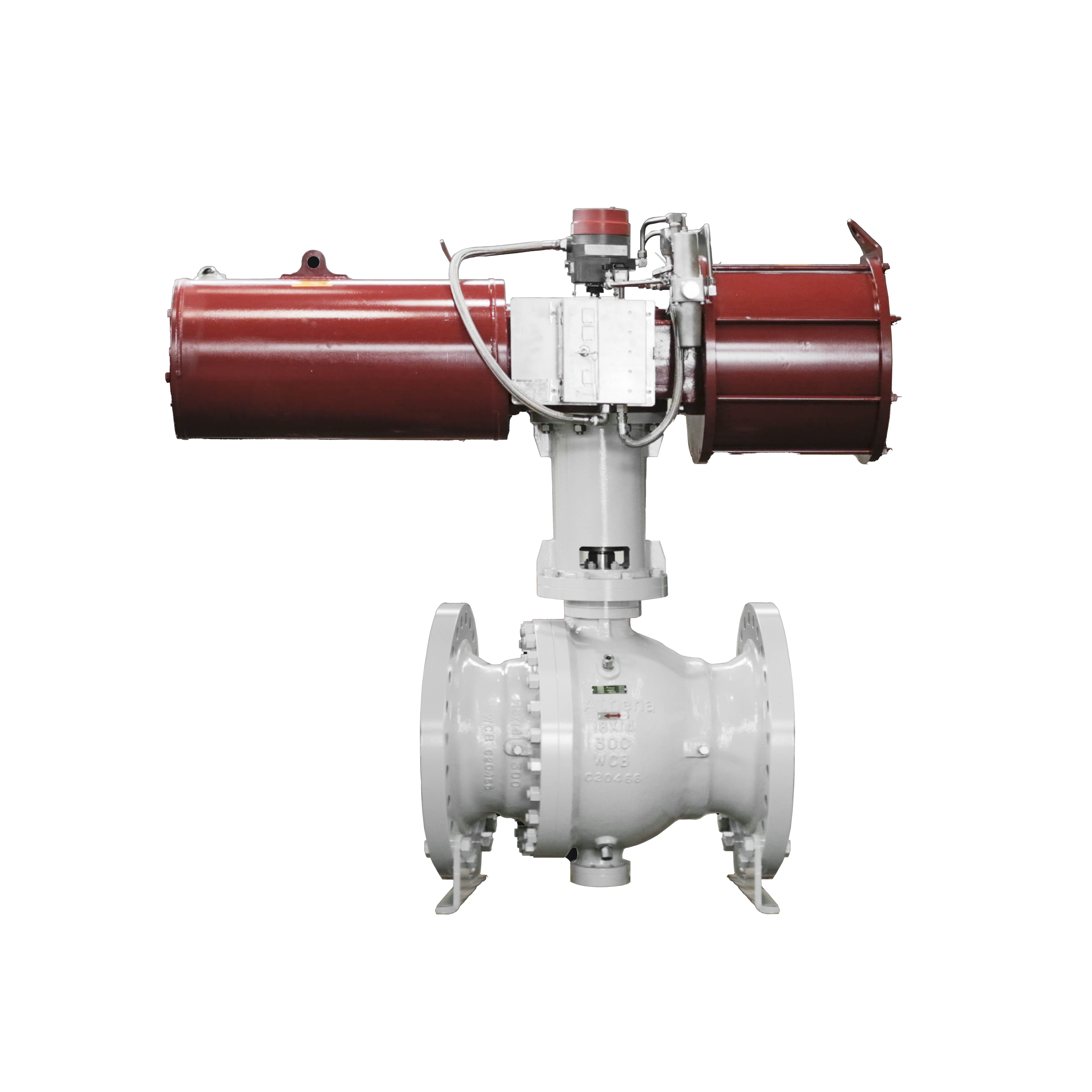
Ball valves are habitually employed in production settings due to their elementary design and trustworthy operation. Yet, it’s important to assess both their helpful aspects and potential disadvantageous characteristics. Primarily, ball valves offer rapid shut-off capabilities, impressive flow control when activated in a moderate position (though usually not recommended for prolonged throttling), and are partially low-cost compared to various valve varieties.
- Smooth Care
- Limited Stress Loss
- Watertight Blocking
Valve Diversity: Gate, Globe, Check, and Ball Compared
Comprehending the separations concerning valve styles is critical for targeting the correct plan for a particular task. Let’s quickly scrutinize four standard valves: gate, globe, check, and ball. Gate apparatuses grant minimal resistance to stream when completely unblocked, making them ideal for significant load situations, but enduring poor regulation capabilities. Globe devices, in contrast, contain a piece that seats against a orifice, allowing for controlled movement governance, although at the disadvantage of higher strain diminution. Check mechanisms are constructed to instinctively prevent return flow, conducting as a unidirectional precautionary attribute. Finally, ball controls make use of a spinning rotor with a bore to enable transit, yielding accelerated exposure and sealing with moderately low force lessening.
- Gate Valves: low resistance
- Globe Valves: controlled passage
- Check Valves: cease retrograde flow
- Ball Valves: accelerated unsealing
Selecting the Correct Mechanism: A Handbook to Stopper, Rotary, Flow Control, and Orbital
In case of dealing with fluid movement, choosing the appropriate mechanism is vital. Gate mechanisms offer reduced impedance and are optimal for unhindered operation, but do not well-suited for modulating. Globe mechanisms provide fine movement regulation and are more suitable for uses requiring variable flow rates. Check apparatuses are automatic-functioning and facilitate transit in unique path only, avoiding reverse flow. Finally, ball instruments deliver immediate sealing and are commonly used in substantial applications due to their strong assembly.
Addressing Common Malfunctions in Gate, Globe, and Ball Valves
Managing troublesome gate, globe, and ball instruments can be irritating, but several common issues are easily dealt with with a minimal of insight. Here’s some typical problems and conceivable solutions. For gate mechanisms, inspect leaks around the shell, which commonly indicates a damaged stopper. Globe devices are susceptible to freezing due to dirt – attempt routine physical exercise or scouring to dislodge the interference. Ball mechanisms can experience seal leaks if the globe is defective; replacement the cushion is generally the leading solution.
- Survey for oxidation
- Affirm appropriate lubrication
- Mull over expert consultation if the fault stays
An Significance of One-way Systems in Preserving Installation Security
Uni-directional devices act a critical task in augmenting total framework security across many realms.Such prohibit backflow of substances, which will present severe jeopardies like tainting of provisions, machinery defect, and even team members harm.As an example, in a hydrous distribution, check units guard the supply from becoming spoiled by opposite pressure. Additionally, these devices make possible safe termination methods and curb the potential for unexpected discharge episodes.
Ponder that consequent situations:
- Prevention of vital devices from breakage due to contrary pressure.
- Guaranteeing the quality of drinkable aqua stocks.
- Forbidding perilous matter backwash into non-contaminated zones.
Understanding Flow Control Device Classes: Gate, Globe, Ball, and Check
Though all serving as dual plate check valve necessary components in vaporous movement, gate, globe, ball, and check devices differ significantly in design and purpose. Stop valves offer limited flow barrier when fully unblocked, ideal for segmentation but