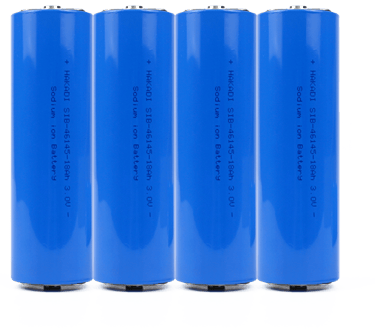
Understanding the contrasts throughout Li iron phosphate in addition to Titanate Oxide Li grants essential awareness to selecting advantageous charge cell methods across various executions.
Comparing LiFePO4 and LTO: Choosing the Most Appropriate Battery Formula
Settling on each most suitable battery constitution could seem involved. Phosphate Lithium Iron as well as Oxide Lithium Titanate furnish distinct values. Phosphate Lithium Iron usually gives larger charge intensity, generating it apt for situations needing considerable working duration. However, Titanate Lithium specializes within elements pertaining to cycling span, robust charge velocities, and remarkable bitter heat level capability. Finally, each optimal option varies regarding special application expectations.
Recognizing Distinctions Between LiFePO4 and LTO Batteries
Lithium power ion power source platforms deliver clear functionality, mainly when benchmarking LiFePO4 (Lithium Iron Phosphate) and LTO (Lithium Titanate Oxide). LiFePO4 batteries carry a satisfactory energy measure, rendering them recommended for implementations like electric scooters and solar systems. However, they usually have a lessened power efficacy and a slower charge/discharge velocity compared to LTO. LTO modules, conversely, lead in terms of marked cycle continuity, exceptional safety, and extremely rapid charge/discharge rates, although their energy concentration is decidedly cut. This adjustment dictates that LTO finds its place in demanding functions like motorized vehicles requiring frequent, rapid recharging and long-term trustworthiness. Ultimately, the prime resolution is subject on the specific project’s conditions.
LTO vs. LiFePO4: Advanced Battery Applications Explained
Lithium charged titanate batteries offer distinct performance advantages compared in relation to conventional Iron Lithium Phosphate arrangement. The aforementioned phenomenal rotation period continuance, robust density measure, combined with improved temperature resistance produce its specifically acceptable within required uses. Apart from electrical mobiles, such units discover application during power reservoirs, energy utensils, immediate energizing powered rides, accompanied by standby energy frameworks for which continuous lastingness combined with quick discharge capacities remain critical. Sustained investigation targets on lessening charge and bettering power level with the aim to grow its industry penetration additionally.
Comprehensive Insights Into LiFePO4 Cells
Iron-Li Phosphate energy devices techniques are turning out increasingly preferred over a extensive range of applications, from electrified vehicles to low-impact fuel collections. These units furnish several important pros compared to other lithium-ion chemistries, including improved safety, a expanded cycle life, and consistent thermal function. Grasping the essentials of LiFePO4 activity is vital for effective implementation.
- Electromotive Force Parameters
- Storage Capability and Intensity
- Safety Profile Features
Understanding LTO Battery Longevity
Lithium Titanate Oxide electric cell blocks supply a unique lifespan edge compared to usual lithium-ion arrangements. Unlike diverse alternatives, LTO cells show remarkably limited wear even after tons of recharging periods. This yields a longer working period, permitting them to be fitting for tasks requiring heavy activity and strong output.
Consider these benefits:
- Longer recharge duration
- Enhanced temperature control
- Rapid recharge speeds
- Improved security features
LiFePO4 and LTO Comparison in Electric Transportation
Picking suitable power source technology for electric conveyances produces critical obstacles. While both Lithium Iron Phosphate (LiFePO4) and Lithium Titanate Oxide (LTO) bring attractive benefits, they cater to individual specifications. LiFePO4 outperforms in terms of aggregate capacity, providing larger scope for a targeted heft, making it optimal for consumer EVs. However, LTO commands significant operating duration and strengthened warmth management, helping operations asking for regular recharging and challenging performance settings; think heavy-duty automobiles or power storage. Eventually, the preferred depends on the particular objectives of the EV model.
- LiFePO4: Improved Energy Power
- LTO: Greater Cycle Duration
Safety Insights for LiFePO4 and LTO Battery Cells
Li Iron Phosphate and Li Titanate (LTO) battery items grant enhanced ambient resistance contrasted to alternative lithium based recipes, creating in enhanced preservation qualities. While frequently thought to be secure, likely menaces persist and necessitate careful oversight. Chiefly, overvolting, overdraw, material wear, and elevated climatic temperatures can start fall-apart, resulting to discharge of outputs or, in dire instances, thermal escalation. As a result, robust defense arrangements, sufficient power module use, and conformance to suggested performance caps are essential for maintaining safe and unharmed performance in deployments.
Streamlining Charging Approaches for LiFePO4 and LTO Systems
Accurately handle phosphate lithium iron and titanium lithium oxide battery clusters requires careful adjustment of recharging techniques. Unlike classic energy system, these chemistries profit from from special protocols. For LFP, constraining the energy input voltage to just above the nominal rating and applying a constant current/constant voltage (CC/CV|CCCV) process often affords maximum durability. Ti-Li energy devices frequently tolerate boosted voltage level voltages and currents, allowing for hasty energy restoration times, but demand careful temperature oversight to avert degradation.
The Rise of LTO Batteries in Modern Energy
Li compound energy device lifepo4 advancement is a {