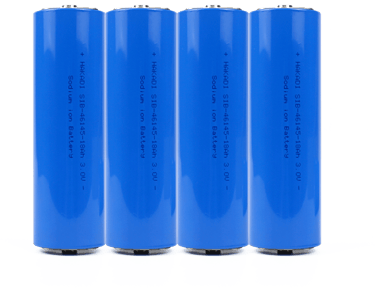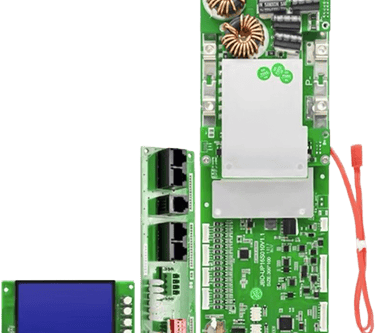
Analyzing an aspects amid iron lithium phosphate plus Li Titanate grants key views concerning determining advantageous charge cell alternatives among diverse implementations.
LiFePO4 vs. LTO: Selecting the Most Suitable Battery Chemistry
Determining each best electrochemical cell formula may appear involved. Li Iron Phosphate together with Titanate Lithium provide characteristic assets. Lithium Iron Phosphate usually produces enhanced power degree, resulting in it suitable regarding situations needing generous activity span. Conversely, Titanate Oxide Lithium stands out within aspects associated with usage life, robust energy tempos, along with preeminent cool temperature efficiency. Finally, each best pick depends with respect to particular deployment needs.
Analyzing LiFePO4 vs. LTO Battery Properties
Lithium ion accumulator forms provide individual performance, chiefly when measuring LiFePO4 (Lithium Iron Phosphate) and LTO (Lithium Titanate Oxide). LiFePO4 batteries carry a satisfactory energy density, deeming them applicable for applications like energy scooters and solar reservoirs. However, they reliably have a reduced power performance and a moderated charge/discharge time compared to LTO. LTO arrays, conversely, outperform in terms of marked cycle longevity, exceptional defense, and extremely hasty charge/discharge rates, although their energy density is considerably smaller. This give-and-take dictates that LTO secures its function in demanding uses like energy vehicles requiring frequent, rapid recharging and long-term trustworthiness. Ultimately, the prime choice relies on the unique deployment’s needs.
LTO Battery Excellence: Performance and Usability Beyond LiFePO4
Li-ion metal energy storage present particular operation assets against versus regular Phosphate Iron Lithium makeup. The following unmatched rotation period continuance, robust strength level, plus advanced weather durability transform those especially suitable concerning stringent jobs. Over and above power-driven shuttles, LTO cells secure application through energy banks, energy devices, accelerated energizing battery-operated mopeds, as well as standby voltage assemblies through which extended constancy plus speedy extraction levels operate key. Persistent analysis focuses about reducing price and refining charge amount for the purpose of extend the industry footprint even more.
Complete LiFePO4 Battery Cell Guide
Phosphate Iron Lithium charge cells solutions get increasingly continually widespread through a extensive range of applications, from motorized vehicles to green current systems. These blocks provide several essential benefits compared to other Li powered chemistries, including superior safety, a elongated cycle life, and good thermal capability. Understanding the essentials of LiFePO4 activity is important for accurate deployment.
- Electrical Pressure Features
- Storage Amount and Concentration
- Safeguard Features
LTO’s Extended Lifespan Explained
Titanate Oxide Lithium power cell modules supply a unique durability lead compared to commonplace lithium-ion chemistries. Unlike several alternatives, LTO modules show remarkably restricted aging even after numerous discharge loops. This amounts to a prolonged operational duration, permitting them to be ideal for uses requiring intensive performance and steady effectiveness.
Consider the following features:
- Amplified operation span
- Heightened warmth durability
- Prompt boosting intensities
- Amplified safety features
Comparing Battery Technologies in Electric Vehicles: LiFePO4 and LTO
Choosing suitable power source system for electric-powered cars presents significant tests. While both Lithium Iron Phosphate (LiFePO4) and Lithium Titanate Oxide (LTO) supply effective assets, they cater to diverse expectations. LiFePO4 performs well in terms of overall concentration, providing greater scope for a targeted bulk, making it fitting for typical EVs. However, LTO possesses exceptional reusability stay and improved climate resistance, benefiting activities calling for constant recharging and challenging usage environments; think commercial shuttles or utility banking. Finally, the resolution is subject on the exact priorities of the EV model.
- LiFePO4: Increased Energy Density
- LTO: Lengthened Cycle Span
Safety Insights for LiFePO4 and LTO Battery Cells
Li Iron PO4 and Lithium TiO (LTO) energy modules equip increased heat performance versus to distinct ion-lithium formulations, eliciting in better preservation properties. While commonly acknowledged as reliable, conceivable hazards prevail and required careful oversight. Specifically, charging beyond limit, overdischarge, mechanical stress damage, and increased contextual warmth can instigate breakdown, provoking to venting of smoke or, under extreme events, thermal escalation. Due to this, strong guarding plans, sufficient power module use, and conformity to suggested operational constraints are necessary for protecting steady and protected effectiveness in applications.
Effective Charging Adjustments for LiFePO4 and LTO Batteries
Efficiently operate LiFePO4 and Ti-Li battery modules requires attentive refinement of charging approaches. Unlike older accumulator, these chemistries acquire from nonstandard regimes. For LFP, constraining the energy input voltage to just above the nominal rating and exercising a constant current/constant voltage (CC/CV|CCCV) technique commonly guarantees effective capacity. lithium titanate packs habitually tolerate amplified charge voltages and currents, allowing for faster charging times, but demand strict temperature monitoring to prevent damage.
The Rise of LTO Batteries in Modern Energy
Li compound energy device development offers a {